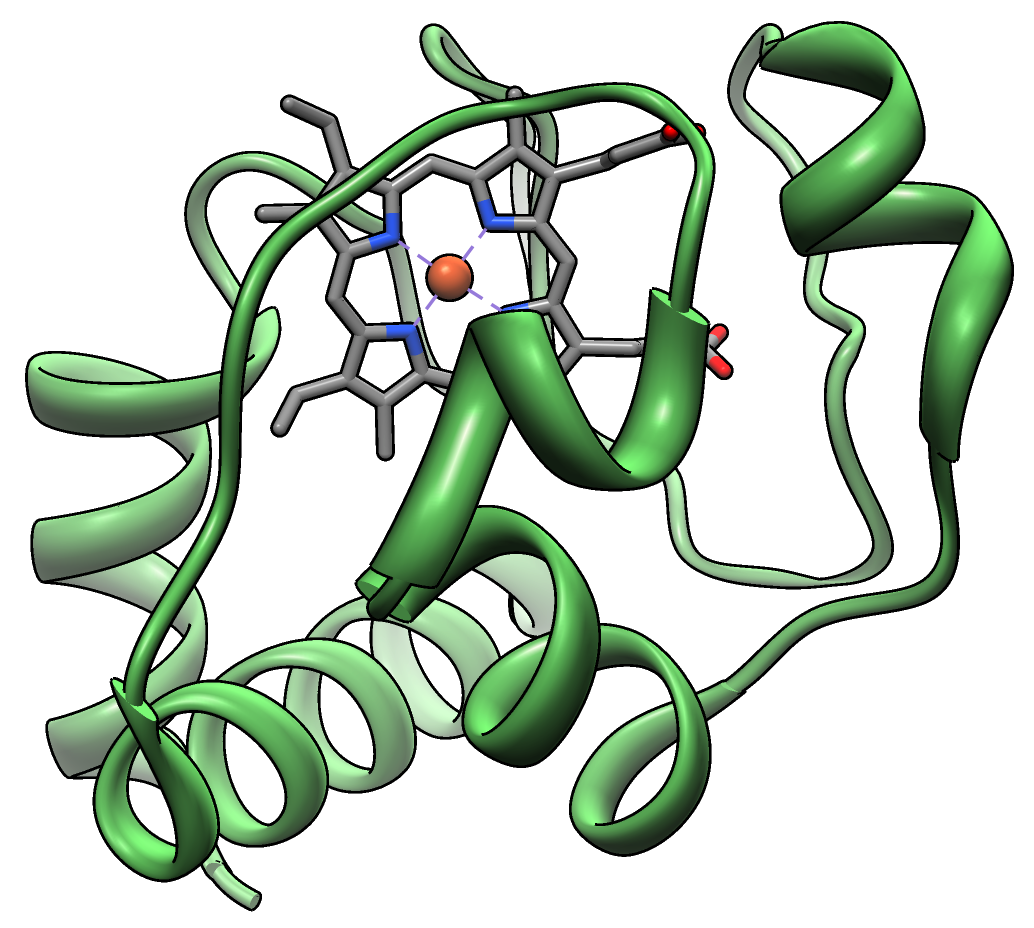
In TCA cycle, cytochrome aa3 transports electron to oxygen, which are subject to CO and cyanide poisoning. Cytochrome b5 and P450 are found on ER.
フラボタンパク質
フラボタンパク質 flavoproteins
Flavoproteins binds to FMN or FAD as prosthetic groups.
Figure 7: Flavin
19
20
L-amino acid oxidase oxidize L-amino acids.
xanthine oxidase converts purine to urine.
aldehyde dehydrogenase contains molybdenum and non-heme iron.
glucose oxidase prepared from fungi.
flavin nucleotides forms a radical.
脱水素酵素(デヒドロゲナーゼ dehydrogenase)
Many dehydrogenases acts with NAD+ or NADP+ from niacin as coenzymes, such as alcohol dehydrogenase and glyceraldehyde-3-phosphate
dehydrogenase. NADH dehydrogenase, succinate dehydrogenase, acetyl-CoA dehydrogenase, mitochondrial glycerol-4-phosphate dehydrogenase,
and electron-transferring flavoprotein contains riboflavin. Peroxidases and Catalases Peroxidases remove electron from hydrogen peroxide to electron acceptors
such as ascorbate, quinones, and cytochrome c. Glutathione peroxidase in the erythrocytes contains selenium and catalyze the destruction of H2O2.
Catalase in blood, bone marrow, mucous membranes, kidney, and liver contains four hemes catalyzes the destruction of H2O2. Peroxisomes(microbodies)
contains both catalases and oxidases.
オキシゲナーゼ oxygenase
オキシゲナーゼ oxygenase(ヒドロキシラーゼ hydroxylase)は基質が酸素原子を取り込む反応を触媒します。
Homogentisate dioxygenase, 3-hydroxyanthranilate dioxygenase, and Ltryptophan dioxygenase(tryptophan pyrrolase) contains iron and are dioxygenases.
Cytochrome P450 and cytochrome b5 incorporate oxygen in the hydroxylase cycle. The hydroxylase cycle involves the metabolism of benzpyrene,
aminopyrine, aniline, morphine, and benzphetamine. Phenobarbital induces formation of microsomal enzymes and of cytochrome P450.
Cytochrome P450 catalyze steroidal hydroxylations. Superoxide free radical O2are formed reduced flavins are reoxidized.
Superoxide can reduce oxidized cytochrome c. Superoxide dismutase converts free radicals to H2O2. The superoxide dismutase in cytoplasm
contains Cu2+ and Zn2+, whereas mitochondrial enzyme contains Mn2+ as in bacteria which suggests the linkage between the mitochondrial symbiosis
with prokaryotes. Vitamin E( -tocopherol) is an antioxidant.